Outdoors
Buffalo National River Canoe
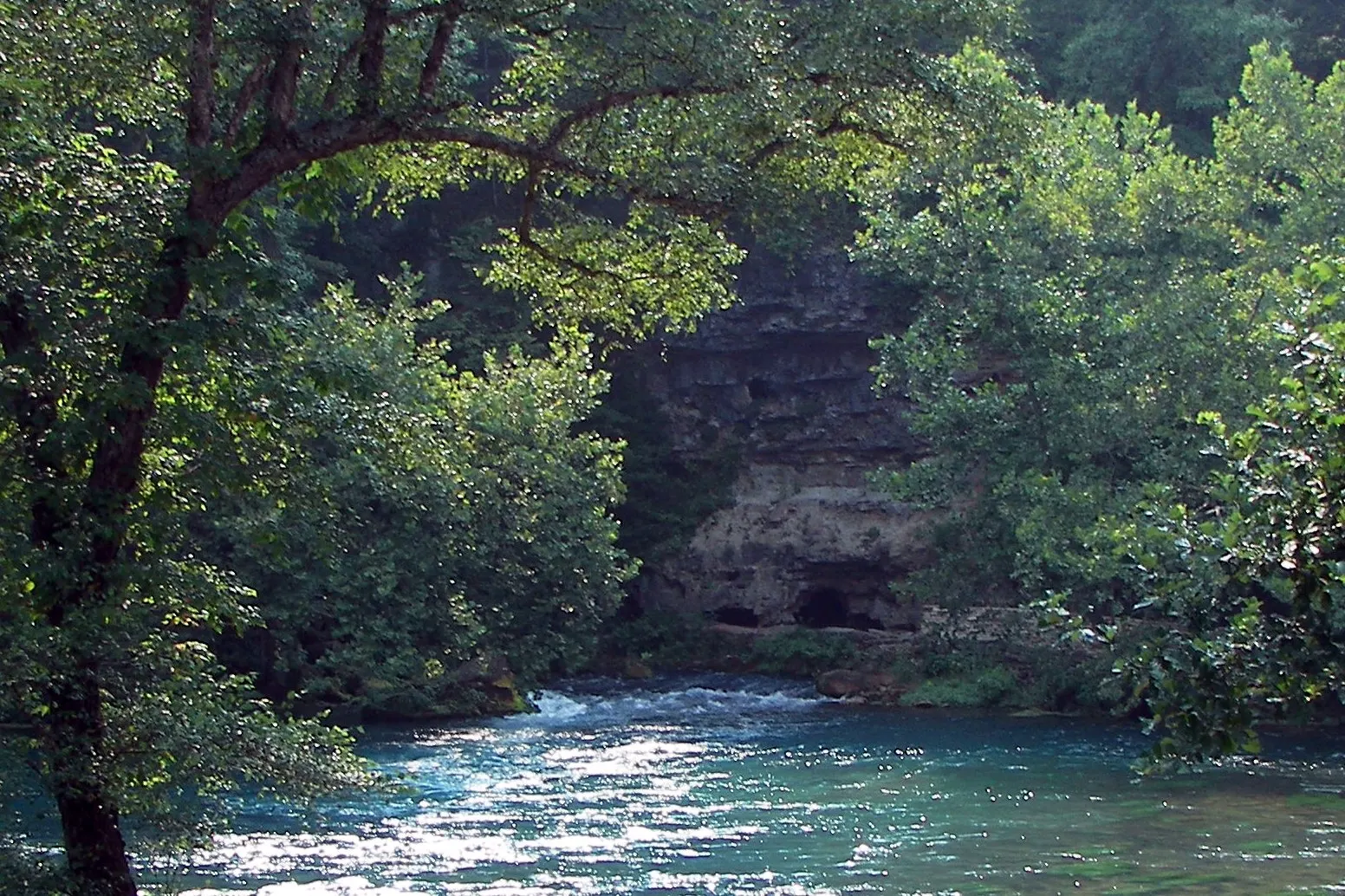
Float the narrow, fast upper Buffalo through the Ponca Wilderness area, where the river runs below sandstone and limestone bluffs more than 150 m (500 ft) high, with gravel bars for breaks. The Buffalo flows freely for 243 km (151 miles) across northern Arkansas.
- Where
- Arkansas, USA
- Distance
- 12.9 km (8 miles) one way
- Time
- About 4 hours at the park's average river speed of 3.2 km/h (2 mph); longer with stops or in low water
The route
Steel Creek to Kyles Landing, upper Buffalo National River.
Put in at the Steel Creek access, where there is a ranger station, and take out at Kyles Landing. Most people rent from one of the park's authorised concessioners, who run the shuttle; if you bring your own boat, arrange your own car shuttle.
When to go
In an average year the upper river is only floatable in spring and early summer, when steady rain keeps it up; in dry years the season moves downstream early.
Permits and fees
No entrance fee, day-use fee or permit is needed to float the river, and none for backcountry camping. Campgrounds charge from about mid-March to mid-November.
Before you go
- Check the Ponca gauge before you go: the park says flows above 1,600 cfs there are unsafe. Call the Steel Creek Ranger Station (870-861-2570) or an outfitter for current conditions.
- Everyone must have a life jacket in the boat, and children aged 12 and under must wear one at all times.
- Wear sturdy shoes that stay on: you may need to drag the boat over shallow gravel bars, or walk out if the boat gets pinned.
- Hemmed-In-Hollow Falls, 64 m (209 ft) high, is a 1 km (0.65 mile) walk from the upper river; ask your outfitter or a ranger where to stop.
What to bring
- A buoyancy aid, worn rather than stowed
- A dry bag for your phone and keys
- Water and snacks
- Sun cream, a hat and sunglasses
- A warm layer, even on a hot day
Getting ready for it
Paddling works your back, shoulders and core more than your arms.
A few weeks of rows, pull-ups or pulldowns and some rotational core work will make a full day far more comfortable.
Staying safe
- Sweepers and strainers (fallen trees in the current) can capsize and trap a boat; steer well clear, and never try to free a pinned boat yourself.
- A storm far upstream can raise the river quickly, even where you see no rain.
- Check the wind and water forecast before launching.
- Tell someone your route and when you expect to be back.
Route details checked September 30, 2026 against nps.gov, nps.gov, nps.gov, nps.gov and en.wikipedia.org. Rules and closures change, so check before you go.