Ketogenic (Keto)
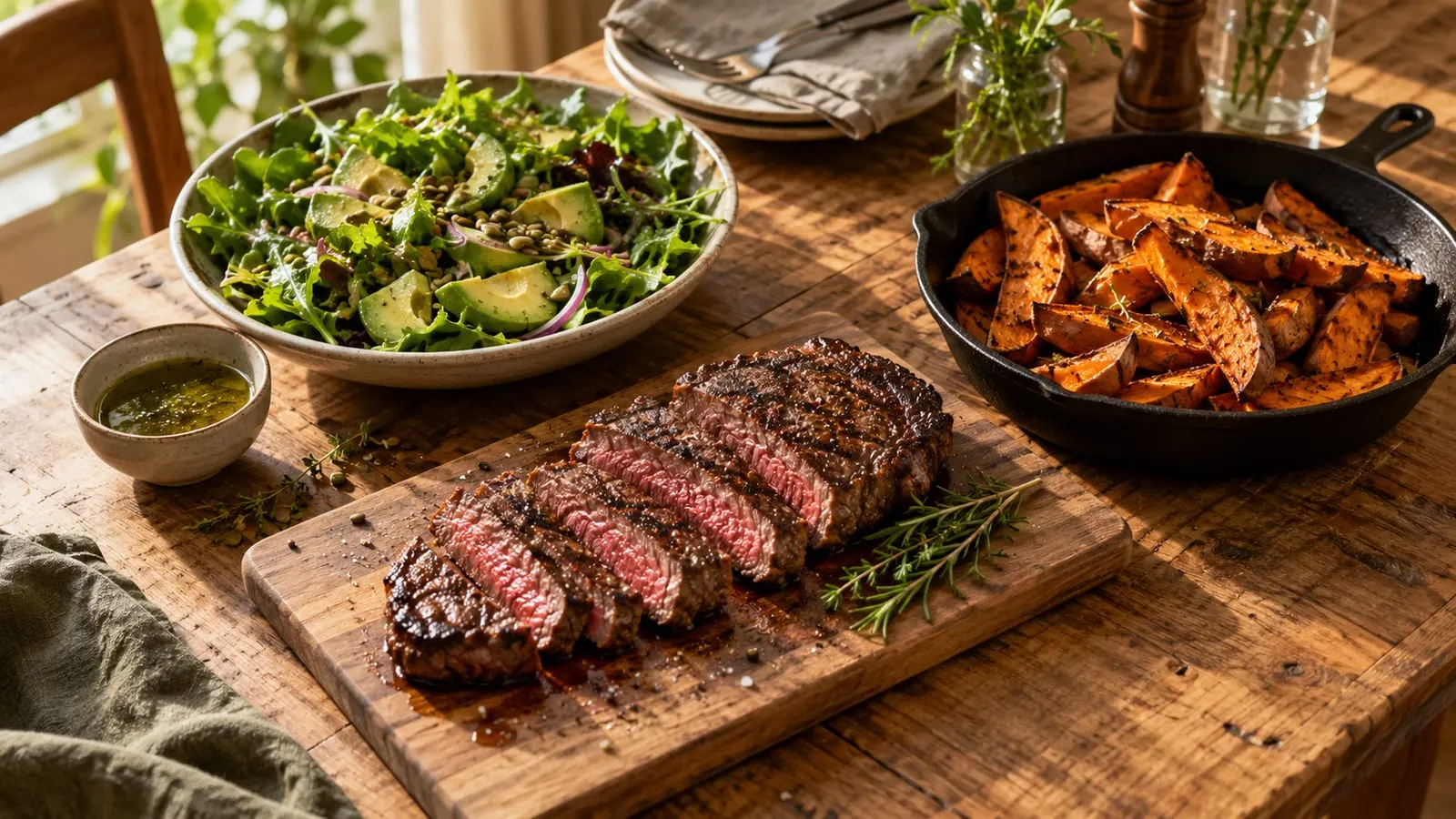
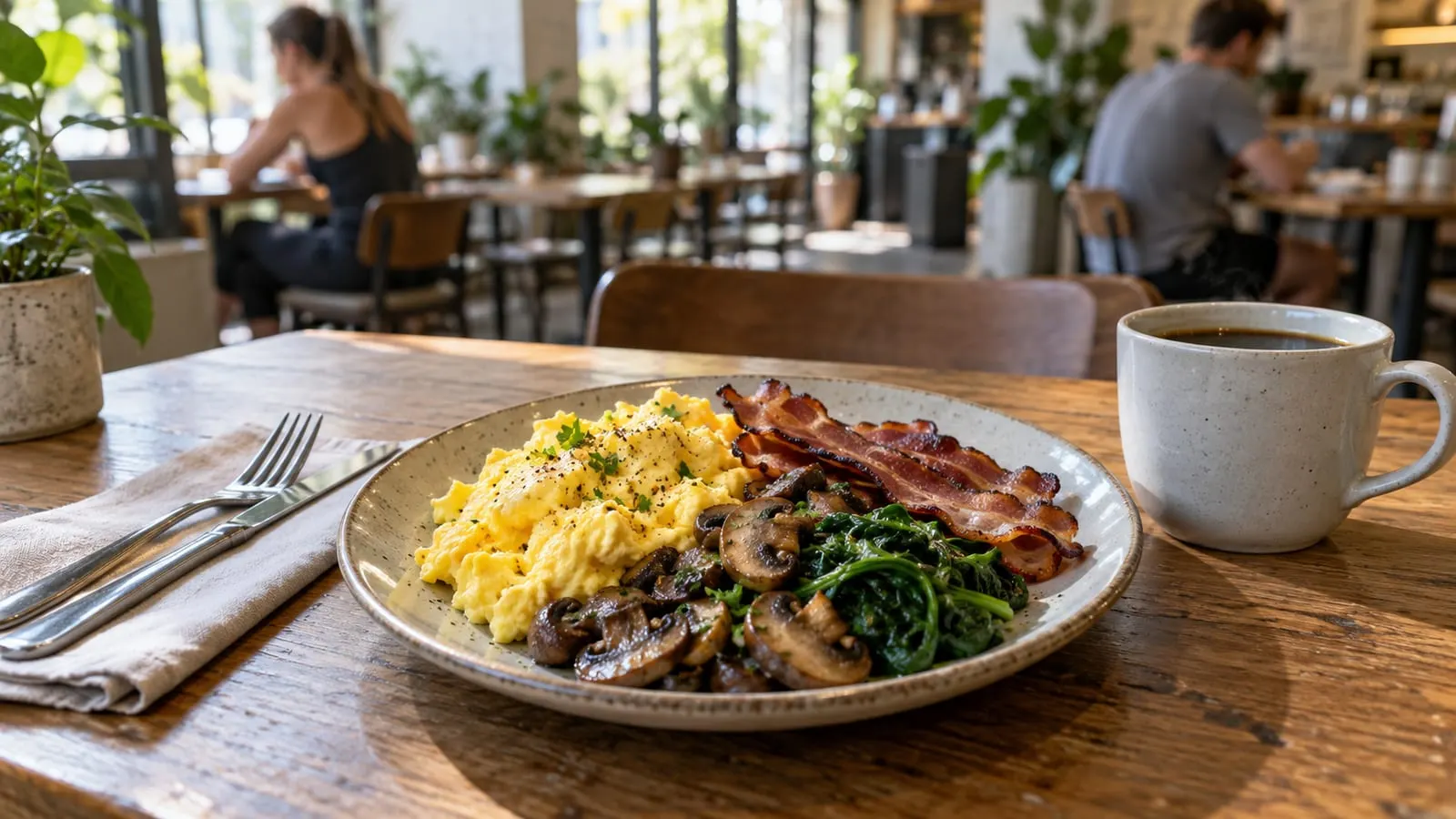
A very low-carb, high-fat diet that shifts your body into ketosis, burning fat for fuel instead of carbohydrates. Typically limits carbs to 20–50 g per day.
For The Journey
Diet guides that show what you would actually eat, with a sample day of meals from the app.
25 guides
A very low-carb, high-fat diet that shifts your body into ketosis, burning fat for fuel instead of carbohydrates. Typically limits carbs to 20–50 g per day.
Based on traditional eating patterns of countries bordering the Mediterranean Sea. Emphasizes whole foods, healthy fats, and moderate wine consumption. Consistently rated among the healthiest diets.
Based on foods presumed to have been available to Paleolithic humans. Eliminates processed foods, grains, legumes, and dairy in favor of whole, unprocessed foods.
Dietary Approaches to Stop Hypertension. Designed to lower blood pressure through reduced sodium and increased potassium, calcium, and magnesium from whole foods.
A 30-day elimination diet that removes sugar, alcohol, grains, legumes, soy, and dairy to identify food sensitivities. Strict rules with no cheating.
An all-animal-product diet that eliminates all plant foods. Consists primarily of meat, fish, eggs, and limited dairy. An extreme elimination approach.
Excludes all animal products including meat, dairy, eggs, and honey. Relies entirely on plant-based foods for nutrition.
Excludes meat and fish but allows dairy and eggs (lacto-ovo). A flexible plant-forward approach that retains key animal protein sources.
Aims to reduce diet-induced inflammation by balancing macros in a 40/30/30 ratio (carbs/protein/fat). Uses a 'block' system for portion control.
A phased low-carb diet starting with very low carbs (20 g/day) and gradually increasing. One of the original popular low-carb diets.
A phased diet focusing on low-glycemic carbs and lean proteins. Less restrictive than Atkins, emphasizes 'good' carbs and 'good' fats.
An eating pattern that cycles between 16 hours of fasting and an 8-hour eating window. Not a diet per se, it dictates when you eat, not what you eat.
An extreme form of intermittent fasting where you eat one large meal per day within a 1-hour window and fast for the remaining 23 hours.
If It Fits Your Macros, a flexible approach where no food is off-limits as long as you hit your daily macro targets (protein, carbs, fat).
Prioritizes protein intake (1 g+ per pound of bodyweight) for muscle building and satiety. Carb and fat ratios are flexible around the protein target.
Restricts fat intake to under 20–30% of calories. Emphasizes lean proteins, whole grains, and fruits/vegetables. Traditional weight loss approach.
Based on traditional Scandinavian foods. Emphasizes seasonal, local, and sustainable eating with a focus on whole grains, fatty fish, and root vegetables.
Focuses on foods that reduce chronic inflammation in the body. Based on scientific research linking inflammation to chronic disease.
Based on the idea that certain foods affect body pH. Emphasizes fruits, vegetables, and plant proteins while avoiding acid-forming foods.
Mediterranean-DASH Intervention for Neurodegenerative Delay. Combines Mediterranean and DASH diets with a focus on brain-healthy foods.
Focuses on food energy density, eating large volumes of low-calorie foods to feel full. Categorizes foods by calorie density per gram.
A points-based system where foods are assigned point values based on calories, protein, sugar, and saturated fat. Daily points budget with 'ZeroPoint' foods.
A mostly plant-based diet that includes fish and seafood but excludes meat and poultry. Combines vegetarian principles with the benefits of omega-3 rich fish.
Emphasizes whole, minimally processed plant foods. May include small amounts of animal products but centers meals around plants. Less strict than vegan.
Consists of uncooked, unprocessed foods, primarily fruits, vegetables, nuts, seeds, and sprouted grains. Foods not heated above 104–118°F (40–48°C).