Nutrition
Low Fat
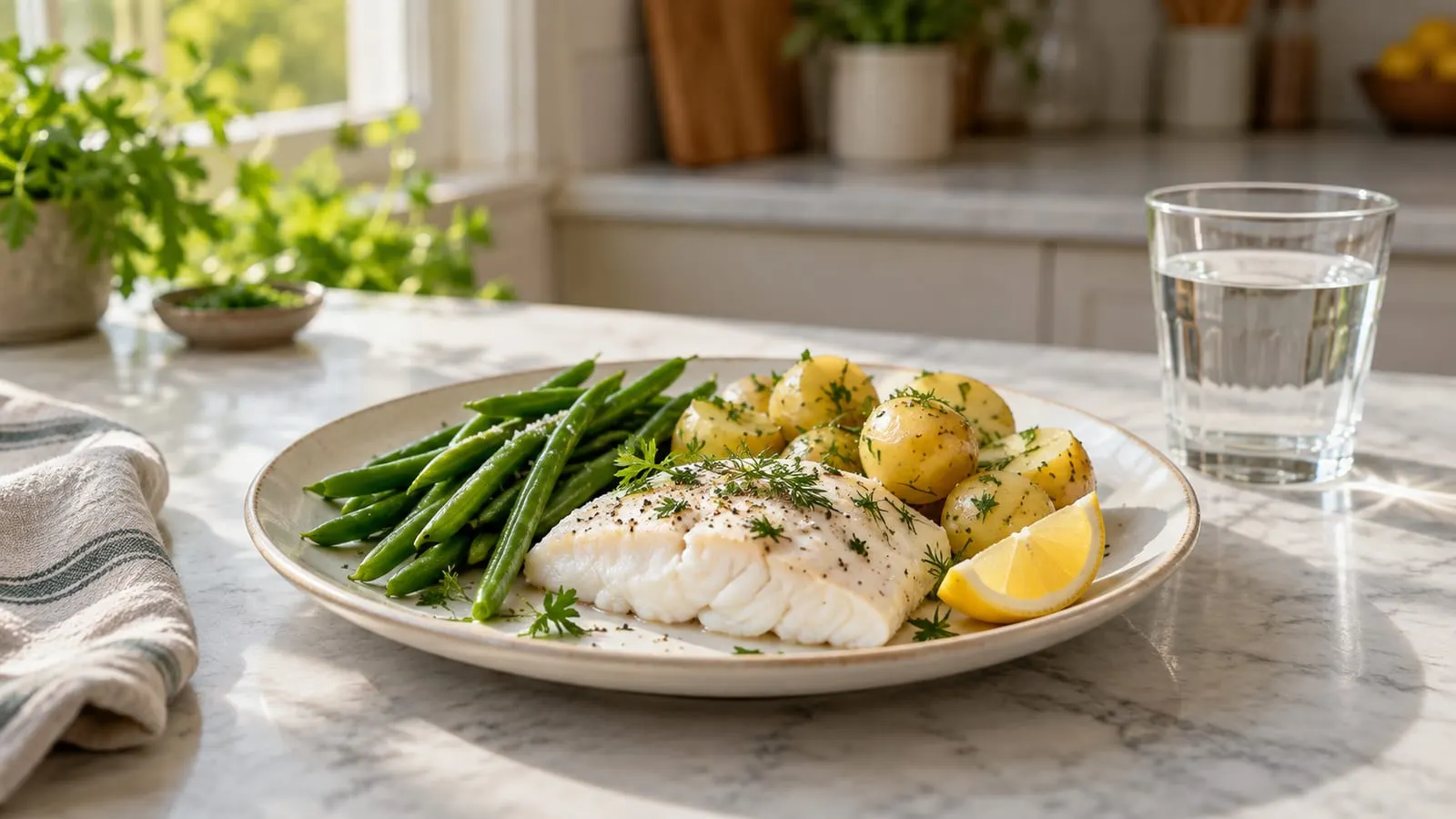
Restricts fat intake to under 20–30% of calories. Emphasizes lean proteins, whole grains, and fruits/vegetables. Traditional weight loss approach.
- Type
- Macro-Based
- How hard to stick to
- Easy
- Protein / carbs / fat
- 20 / 60 / 20%
The short version
People usually choose it for weight loss, heart health and gallbladder issues.
Meals: 3 meals plus snacks.
What you eat
- Lean meats
- Fish
- Whole grains
- Fruits
- Vegetables
- Legumes
- Low-fat dairy
- Egg whites
- Potatoes
- Rice
What you cut back on
- Fried foods
- Butter & cream
- Full-fat dairy
- Fatty cuts of meat
- Oils (limit)
- Nuts (limit)
- Avocado (limit)
A day of eating
One day built from the Low Fat recipes in the For The Reps app. It comes to about 1,232 calories and 125 g of protein, so scale portions up or down to suit you.
| Meal | Dish | Calories | Protein |
|---|---|---|---|
| Breakfast | Greek Yogurt Berry Parfait | 281 | 23 g |
| Lunch | Turkey and Brown Rice Stuffed Peppers | 343 | 39 g |
| Dinner | Indian Tandoori Chicken with Basmati Rice and Cucumber Raita | 440 | 50 g |
| Snack | Apple Slices with Egg White Bites | 168 | 13 g |
Macros
Roughly 20% of calories from protein, 60% from carbs and 20% from fat.
On 2,000 calories a day that is about 100 g of protein, 300 g of carbs and 44 g of fat.
Before you start
May reduce absorption of fat-soluble vitamins. Don't eliminate fat completely; essential fats are needed. Less popular currently but still effective.
If you have a medical condition, are pregnant, or take regular medication, check with your doctor or a registered dietitian before changing how you eat.