Nutrition
Anti-Inflammatory
Focuses on foods that reduce chronic inflammation in the body. Based on scientific research linking inflammation to chronic disease.
- Type
- Whole Foods
- How hard to stick to
- Easy
- Protein / carbs / fat
- 20 / 45 / 35%
The short version
People usually choose it for arthritis, autoimmune conditions, chronic pain and general health.
Meals: 3 meals, emphasis on variety and color.
What you eat
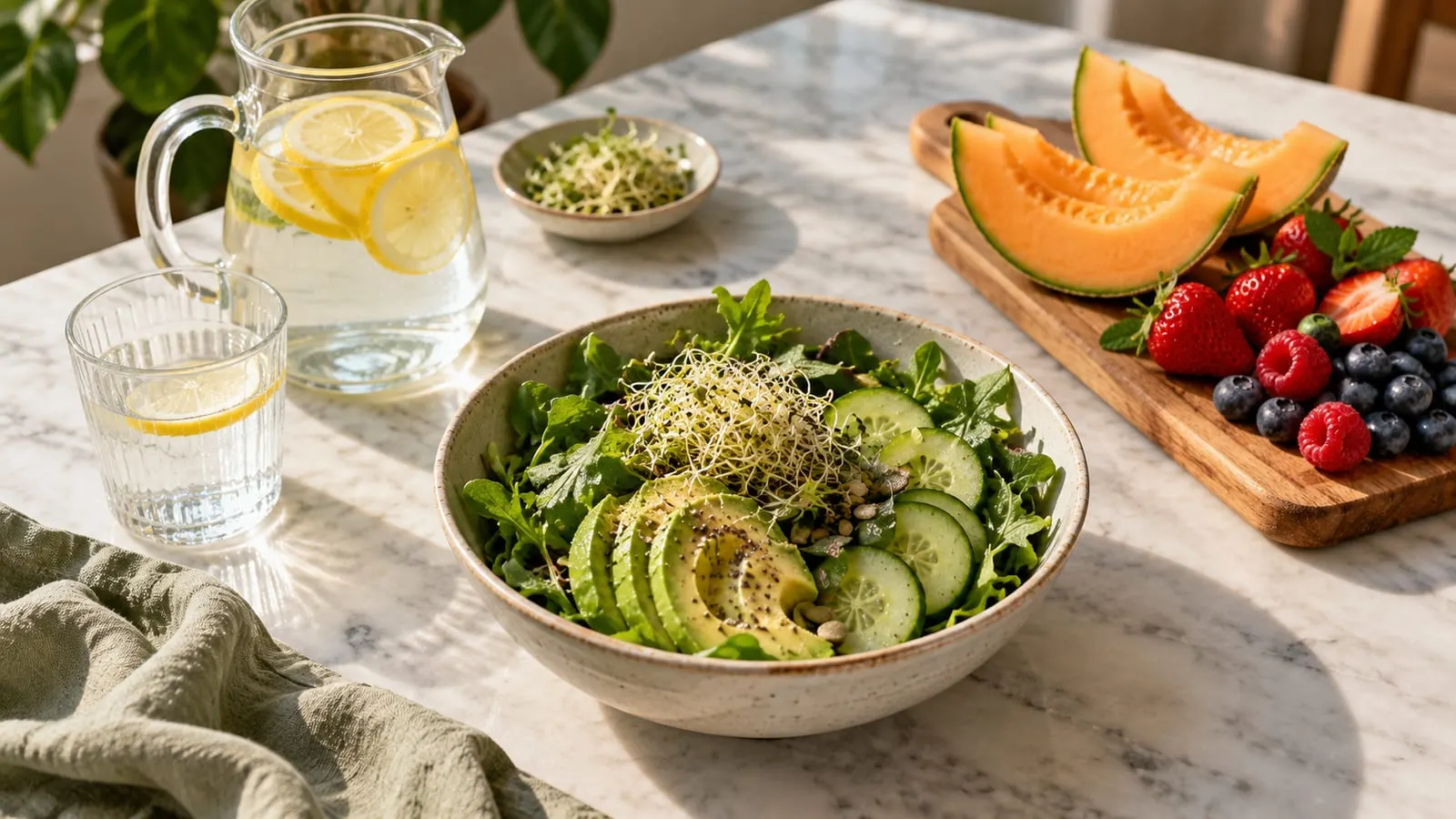
- Fatty fish
- Berries
- Leafy greens
- Turmeric & ginger
- Olive oil
- Nuts (walnuts)
- Tomatoes
- Dark chocolate
- Green tea
- Avocados
What you cut back on
- Refined carbs
- Fried foods
- Soda & sugary drinks
- Processed meats
- Margarine
- Excessive alcohol
- Refined seed oils
A day of eating
One day built from the Anti-Inflammatory recipes in the For The Reps app. It comes to about 1,354 calories and 70 g of protein, so scale portions up or down to suit you.
| Meal | Dish | Calories | Protein |
|---|---|---|---|
| Breakfast | Green Tea Matcha Protein Smoothie | 312 | 18 g |
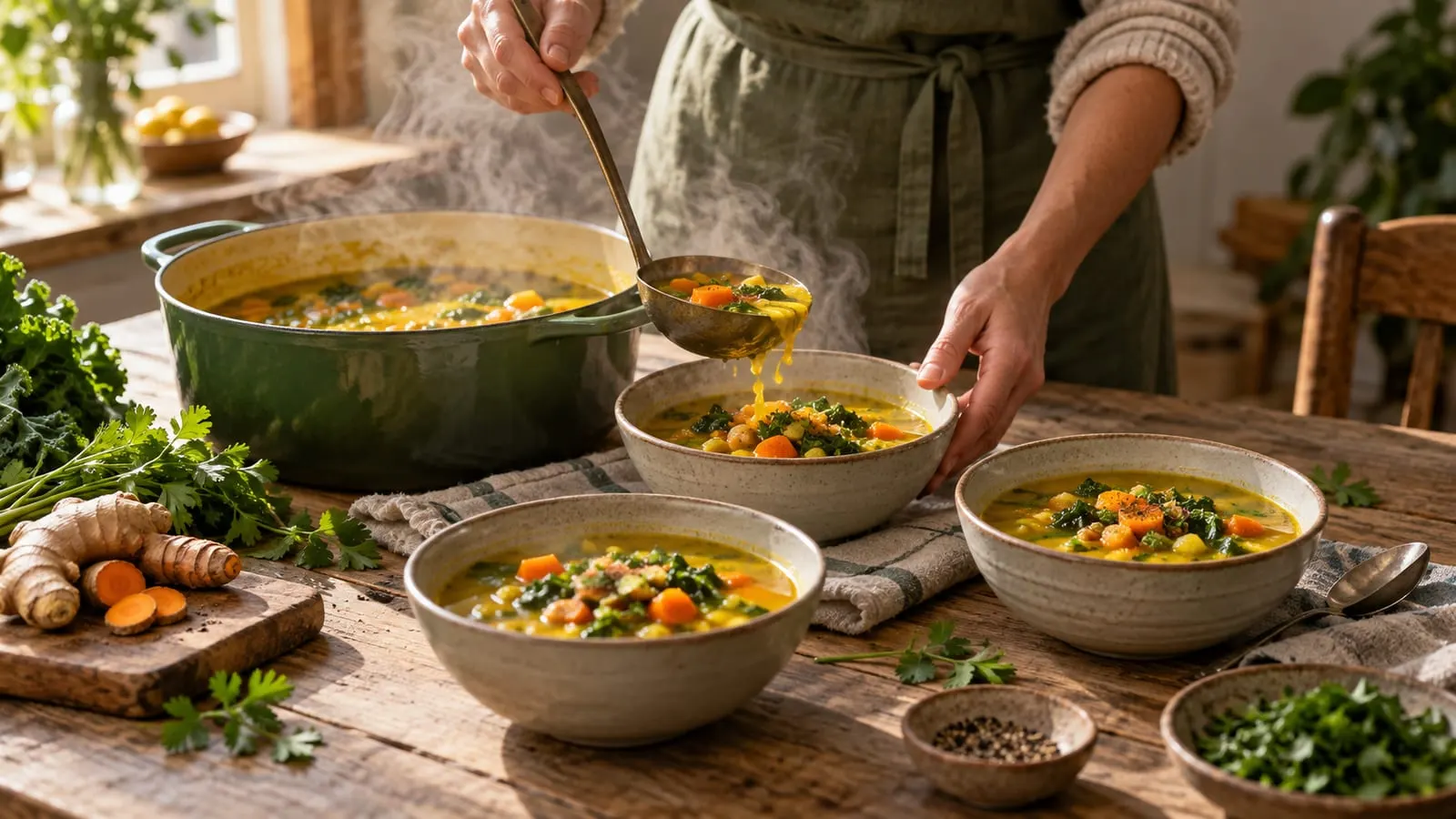
| Lunch | Moroccan Chickpea & Turmeric Stew Bowl | 383 | 14 g |
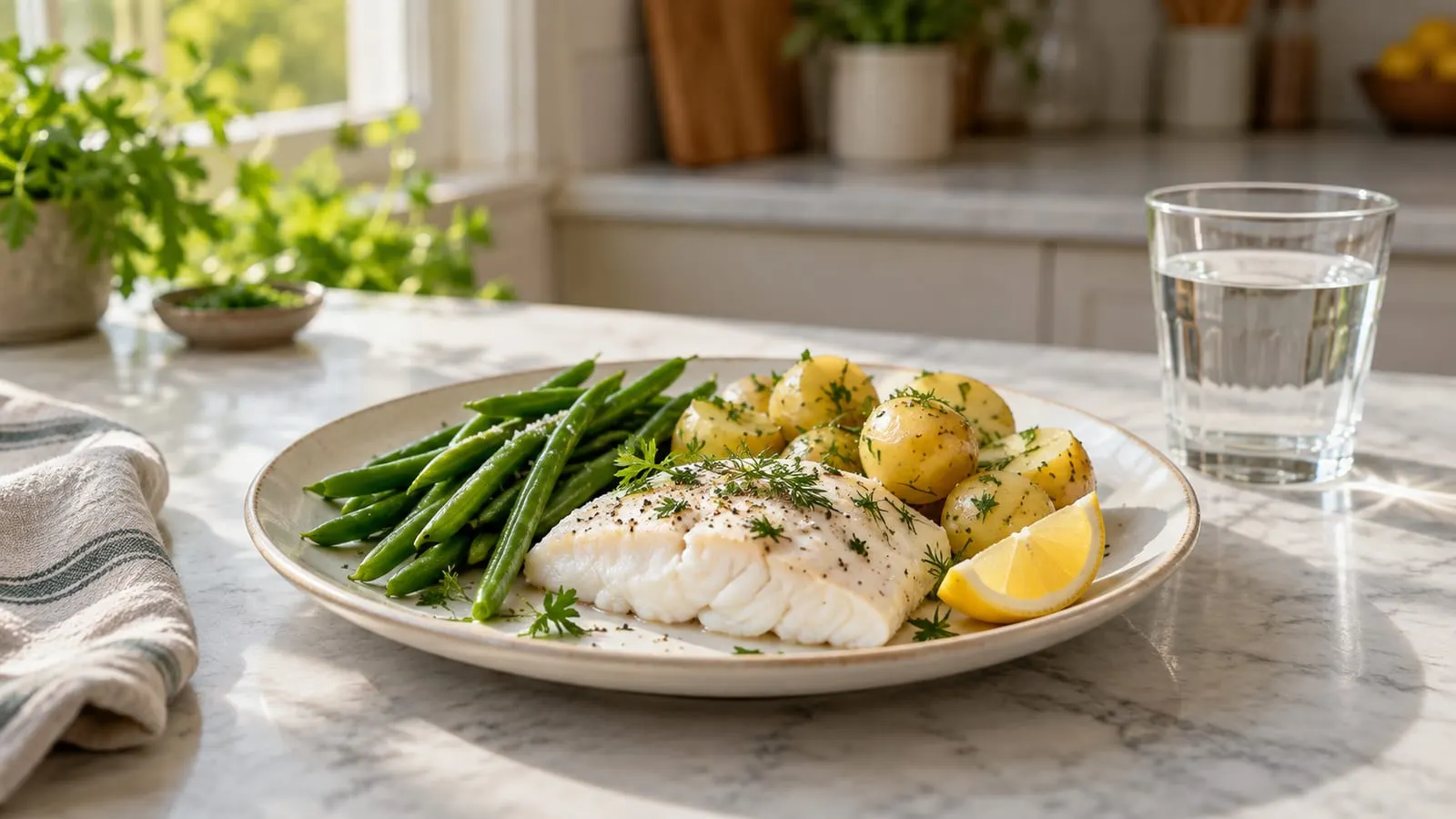
| Dinner | Herb-Crusted Trout with Wilted Greens | 409 | 33 g |
| Snack | Green Tea Walnut Energy Bites | 250 | 4 g |
Macros
Roughly 20% of calories from protein, 45% from carbs and 35% from fat.
On 2,000 calories a day that is about 100 g of protein, 225 g of carbs and 78 g of fat.
Before you start
More of a framework than a strict diet. Can be combined with other approaches. Strong scientific support.
If you have a medical condition, are pregnant, or take regular medication, check with your doctor or a registered dietitian before changing how you eat.