Nutrition
Paleo
Based on foods presumed to have been available to Paleolithic humans. Eliminates processed foods, grains, legumes, and dairy in favor of whole, unprocessed foods.
- Type
- Whole Foods
- How hard to stick to
- Moderate
- Protein / carbs / fat
- 30 / 35 / 35%
The short version
People usually choose it for weight loss, reducing inflammation and autoimmune conditions.
Meals: 3 meals per day, no strict timing.
What you eat
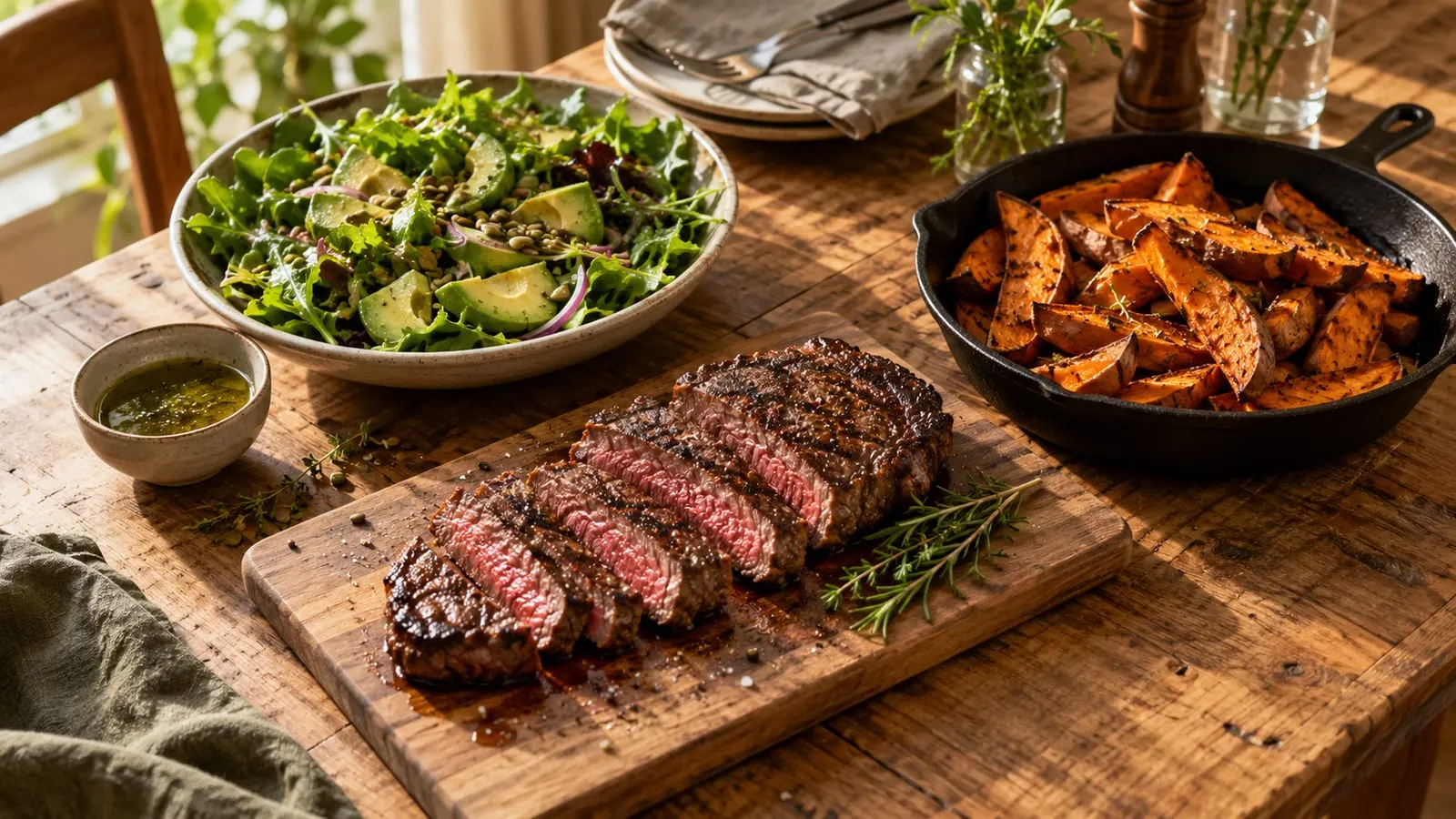
- Grass-fed meats
- Wild fish
- Eggs
- Vegetables
- Fruits
- Nuts & seeds
- Sweet potatoes
- Avocados
- Olive oil
- Coconut oil
What you cut back on
- Grains
- Legumes
- Dairy
- Refined sugar
- Processed foods
- Vegetable oils
- Artificial sweeteners
- Salt (excess)
A day of eating
One day built from the Paleo recipes in the For The Reps app. It comes to about 1,574 calories and 101 g of protein, so scale portions up or down to suit you.
| Meal | Dish | Calories | Protein |
|---|---|---|---|
| Breakfast | Grass-Fed Beef Breakfast Skillet | 408 | 22 g |
| Lunch | Ahi Tuna Poke Bowl (Paleo-Style) | 452 | 39 g |
| Dinner | Pan-Seared Wild Salmon with Asparagus | 462 | 37 g |
| Snack | Guacamole with Jicama Sticks | 252 | 3 g |
Macros
Roughly 30% of calories from protein, 35% from carbs and 35% from fat.
On 2,000 calories a day that is about 150 g of protein, 175 g of carbs and 78 g of fat.
Before you start
Can be expensive. Eliminates entire food groups which may lead to nutrient gaps if not planned. Restrictive for social eating.
If you have a medical condition, are pregnant, or take regular medication, check with your doctor or a registered dietitian before changing how you eat.